
What are the real financial and human costs of a medication error? In this article, Bailey Klingaman explores the direct, indirect, and intangible costs of a single error and the impacts on patients, clinicians, and healthcare organizations. From prolonged hospitalizations to skyrocketing insurance premiums to second victims, a single error can have dozens of consequences. Discover how modern practices and technology can safeguard patients, support clinical teams, and prevent medication errors.
What is a medication error? How common are they? How does it impact the patient? How does it affect the clinician? What is the real cost of an error?
A medication error can be defined as “any preventable event that may cause or lead to inappropriate medication use or patient harm while the medication is in the control of the health care professional, patient, or consumer.” 1
Errors can occur at any point in the prescribing, preparing, or administering of medications. Some common types of medication errors include: prescribing, omission, wrong time, unauthorized medication, improper dose, incorrect prescription or preparation, incorrect route of administration, incorrect patient, incorrect rate, monitoring errors, and compliance errors. 2
Every error is different and can have a different effect. For subacute errors, patients may not experience any lasting reactions. For more severe errors, there may be irreversible organ damage, allergic reactions, neurological issues, or even birth defects to consider. 3 Other errors may require patient monitoring and have reversible effects, yet still carry further implications than those purely medical.
While all medication errors threaten the healthcare industry and require our immediate attention and intervention, some medication delivery methods are more at risk than others. Oral medications can be pumped from the stomach. Slow releasing delivery methods like topical or transdermal drugs offer more time to recognize errors and can be cleaned from the skin. But parenteral delivery medications like subcutaneous, intramuscular, or intravenous injections and infusions can result in immediate effects and are swiftly integrated into the bloodstream, making them irretrievable. Unfortunately, medications given intravenously have one of the highest error rates, ranging from 48% to 53% in hospitals and long-term care facilities. 4
In order to provide safe and accurate medication treatment, we need proper communication, checks for human error, and established systems. When there are faults in these three pillars, medication errors become more difficult to prevent.
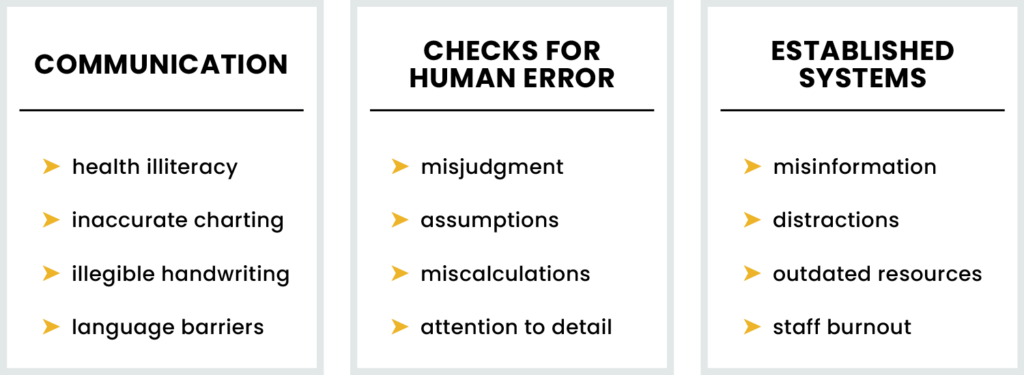
Communication: Poor communication between providers or between a provider and a patient can perpetuate health illiteracy, impacting the patient’s ability to understand their treatment, medication instructions, or aftercare. Ineffectual communication can also manifest through inaccurate charting or miscommunication regarding patient allergies, sensitivities, etc. Illegible handwriting and distortions related to misunderstood symbols, abbreviations, or translations are also common communication errors that have impacted the healthcare industry for years. 5
Checks for Human Error: Healthcare professionals must practice close attention to detail or risk making errors with unforeseeable consequences. Lapses in judgment, assumptions, or miscalculations can result in improper storage of drug products, mixups with similar medication vials or syringes, or discrepancies in the administration of the drug.
Established Systems: While safe medication use relies on the clinicians involved in treatment, it also requires dependable systems that promote best practices, updated training, and fail-safes for inevitable mistakes. Without the proper systems and practices in place, providers are more likely to make errors due to misinformation, distractions, outdated resources, burnout, and more.
According to the World Health Organization (WHO), medication-related harm occurs in about 1 in 20 patients worldwide, and approximately 1.3 million Americans will experience harm every year. Of those global errors, 53% occur in the ordering/prescribing stage and 36% in the monitoring/reporting stage. 6
In hospitals, medication errors are estimated to happen 6.5 times in every 100 admissions. They cause approximately 1 in every 854 deaths in hospitals, and that number jumps to 1 in every 131 deaths outside of the hospital setting. In the entire United States, between 44,000 and 98,000 deaths annually are linked to medication errors. 2
In addition to the damage to the patient, clinician, and healthcare organization, medication errors also come with monetary costs. In Massachusetts, medical errors involving approximately 179,000 patients cost over $2 billion in insurance claims. Globally, errors cost the healthcare system between $37.6 and $42 billion annually. 7
The 3 Types of Error Costs
Healthcare costs can be categorized into three distinct groupings: direct costs, indirect costs, and intangible costs. 8
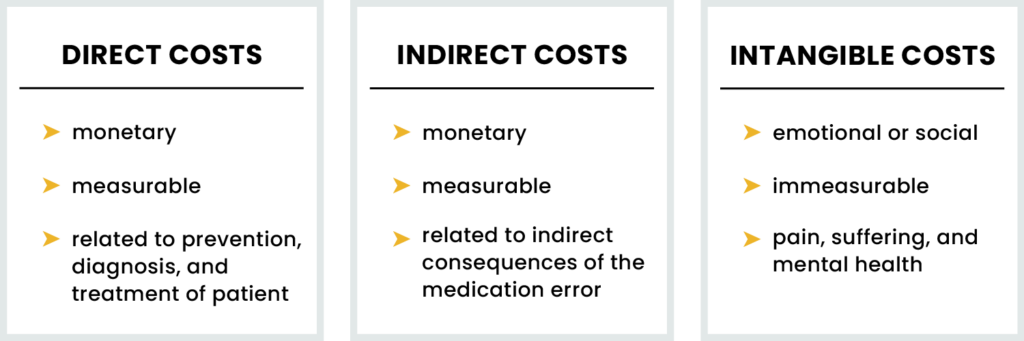
Direct costs are monetary costs directly related to the prevention, diagnosis, and treatment for a patient’s condition. Examples of direct costs include diagnostic tests, surgery, hospital stays, medications, and more.
Indirect costs are monetary costs that are not directly related to treating the patient’s condition, but still have monetary implications. Examples of indirect costs include the loss in ability to perform daily activities, work, or loss of income.
Intangible costs are not monetary costs, but are social and/or emotional costs that are subjective. These kinds of costs are not measurable, and can include pain, suffering, and negative impacts on mental health.
When calculating the true cost of a medication error, it’s important to consider all three kinds of costs in order to estimate the total impact on the patient, clinician, and healthcare organization.
Direct Costs
From the cost of wasted drug products to follow-up treatments and hospitalizations, a single medication error can cost healthcare organizations (and clinicians and patients) anywhere from thousands to hundreds of thousands of dollars.
Potential variables impacting the direct monetary costs of an error include, but are not limited to: 8
- Cost of the medication
- Cost of medical materials
- Treatment cost
- Monitoring cost
- Cost of diagnostic testing
- Medical transport cost
- Cost of hospitalization
- Physician visit costs
- Specialist visit costs
- Psychiatric visit costs
- Cost of labor
While we cannot currently estimate the total cost of all medication errors due to the infinite number of circumstantial differences in every scenario, we do have resources available to estimate individual costs of some of the more commonly associated variables, such as hospital and medication costs.
Treatment & Hospitalization
On a per-patient basis, an error can add $3,000 to $5,000+ to hospitalization costs due to extended stays, diagnostic and lab testing, and additional treatments. According to a report from the Institute of Medicine of the National Academies, an estimated 400,000 preventable drug-related harm incidents in hospitals will result in at least $3.5 billion in extra medical costs. 9
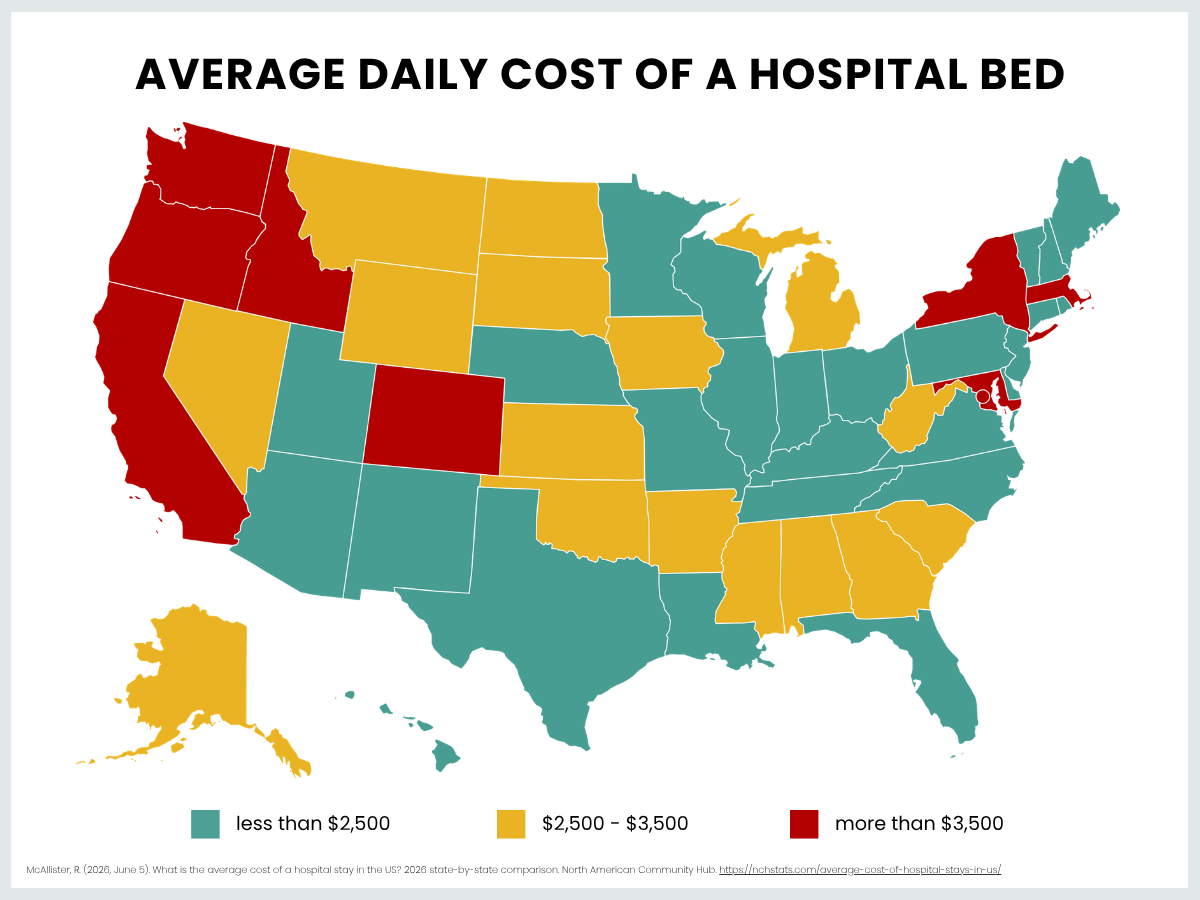
The average cost of a hospital bed in the United States is approximately $3,130 a day. That number can fluctuate depending on the state, with the cheapest possible stay in Mississippi and South Dakota charging less than $1,800 and the most expensive stay in California and Oregon charging more than $4,000 a day. Without taking insurance coverage or the actual treatment into account, a three-day hospital stay can cost around $9,000. 10
With so many nuances in each scenario, it’s difficult to predict how much a hospital visit will cost in total, as individual testing and insurance coverage will impact the final numbers. Variables such as surgery, anesthesia, and x-rays are all subjective to the individual treatment plan and can rack up the cost of a hospital visit quickly. 11
Medications
In 2024, the WHO found that antibiotics were associated with the highest numbers of medication-related harm, involved in approximately 20% of events. 6 Daptomycin is a common antibiotic that can easily be confused with sound‑alike medications such as dactinomycin (a chemotherapy drug). It is also commonly associated with mixing errors involving incorrect diluents, as diluent compatibility varies between formulations. A 500mg vial of generic IV daptomycin can range in price from around $70 to $500 per vial depending on location and supplier. 12
Rituxan (rituximab), a common monoclonal antibody drug used to treat certain kinds of blood cancers and autoimmune diseases, also ranges in cost per vial, generally between $950 (10 mL vial) to $4,600 (50 mL vial) prior to insurance and depending on the vial size. A single treatment of Rituxan tends to require multiple vials or larger doses, as the dose is based on the full body surface area, and can cost approximately $5,000 to $7,000. 13
While the cost margin between these two medications is wide, the reality is clear: a single error with either of these medications or others like them can already cost an organization significant losses, not including any additional medications that would be administered to treat the error.
Indirect Costs
Indirect costs of an error that have monetary implications but are not directly related to the treatment of the patient can include legal fees, insurance premiums, administrative costs, and loss of income for both the patient and the healthcare organization.
Legal Fees
Once a medication error has occurred, the healthcare organization and clinicians involved are at risk of medical malpractice lawsuits, losses in accreditation, or license restrictions.
One possible claim in a medical malpractice lawsuit is medical negligence, which may be a valid claim if there has been a failure to properly diagnose the condition, a misdiagnosis, error, or failure to comply with medical practices.
The average cost for a clinician to defend a medical malpractice claim, even without a settlement, is $23,000. 14 Depending on the severity of harm, the average settlement for a medication error ranges from $250,000 to $1 million. 3
In a case in North Carolina, a patient was refused his prescribed dose of morphine to help with the pain from his prostate cancer. The clinicians only administered part of his dose and used a placebo for the remainder, resulting in severe pain and discomfort for the patient. The settlement paid by the nursing home for his case was $7.5 million. 15
In New York, a patient was administered an injection with the wrong concentration, which was too strong for them. The settlement paid by the nursing home was $250,000. 15
As with many aspects of the cost estimation for a medication error, settlement amounts can fluctuate depending on the degree of negligence and the harm to the patient. If a patient requires hospitalization or further treatment, they can request compensation for those costs via the lawsuit. Similarly, if they can no longer work or have experienced a loss of income due to the error, these will also impact the total settlement amount.
So far, we’ve only addressed the settlement and legal cost relative to the healthcare organization. While the organization may be found at fault and face legal consequences, the clinician(s) involved may also face individual charges.

In the 2022 case of the State of Tennessee v. RaDonda L. Vaught, a nurse mistakenly administered a dose of Versed (midazolam) in place of the prescribed Vecuronium, which resulted in the unfortunate death of the patient. Led by the Tennessee Board of Nursing, Vaught was charged a $3,000 civil penalty and over $30,000 in legal and administrative fees. 16
In Vaught’s case, due to the severity of the outcome of the error, she was charged with criminal negligence, and likely faced additional undisclosed fees related to her criminal defense trial.
Insurance
In addition to legal and licensure fees facing organizations and clinicians, insurance premiums do not go unaffected by medication errors. History and severity of errors heavily impact changes in insurance, but a single major claim can cost a provider popular “claim-free discounts” and increase their professional liability insurance 15%-20% even before the addition of a penalty surcharge. 17
It’s also possible for a provider to be dropped by their carrier if the error is severe enough, which may force them into the “surplus lines (nonstandard) market.” Insurance premiums for this demographic can double or triple annual premium expenses, meaning high cost impacts for the long-term. 18
Investigative & Administrative Costs
Other variables impacting the total cost of an error include investigative time, documentation, compliance, and training costs.
Purely within the healthcare organization, clinical directors, pharmacists, and risk management teams are required to redirect time toward investigating the cause of an error and all of the points along the patient journey where there was a systematic or human failure. This pulls them away from other duties, prolonging processes and indirectly impacting organizational profitability.
Similarly, the time spent locating, completing, and filing mandatory state, federal, and manufacturer reports and documentation pulls staff away from their primary responsibilities. Any missing documentation or discrepancies in records can lead to accreditation loss, inspections, fines, and additional paperwork. 19
Moreover, it’s likely that an organization undergoing an investigation, facing a lawsuit, or being impacted by insurance hikes will divert time and energy toward updated and enhanced training for their clinical team. In addition to corrective training and auditing protocols, organizations would not be remiss to reevaluate their current educational and informational resources. Naturally, researching and implementing said resources can put administrative and monetary strain on organizations already facing fees elsewhere.
Reputation Damage
While reputation may seem like an intangible cost to a medication error, it actually has indirect monetary repercussions. If news of a medication error spreads, especially one harming a patient, referring physicians are less likely to send their patients to the implicated healthcare organization.
Among patients, communication and experience sharing is as accessible as ever, with outlets like Google Reviews, forums, and social media to connect patients. Particularly in chronic illness communities—which are heavily integrated with the infusion community—a safety scare can decimate client growth and impact profits.
Within the organization, hits to the reputation can damage trust, impact morale, and contribute to staff turnover.
Staff Turnover
Even for clinicians who were not directly involved with the medication error (our second victims) the growing administrative burden post-error can contribute to burnout and stress, and ultimately lead to staff turnover. 19
Increased recruitment and onboarding costs mean the average expense for the turnover of a single registered nurse in a hospital is approximately $60,000. Annually, a hospital loses $5.19 million due to staff nurse turnover. 20
Intangible Costs
Morale and staff confidence can also be considered an intangible cost, as it does not necessarily result in monetary losses but still impacts those involved. Because intangible costs are emotional or social, they are more likely to impact the individuals involved in the error: the patient and the clinician(s).
Patient Pain & Suffering
Medication errors can result in severe harm to the patient, causing allergic reactions, organ damage, or even birth defects in pregnant patients. While these can have monetary costs associated with them, they also can have serious implications for the patient’s overall wellbeing in the present and future.
In the North Carolina case where the patient was refused his correct dose of morphine, this error caused him ongoing pain and suffering and was a contributing factor to the settlement amount. While his discomfort can’t be measured monetarily, it was a significant contributor to his case and reason to sue for malpractice. 15
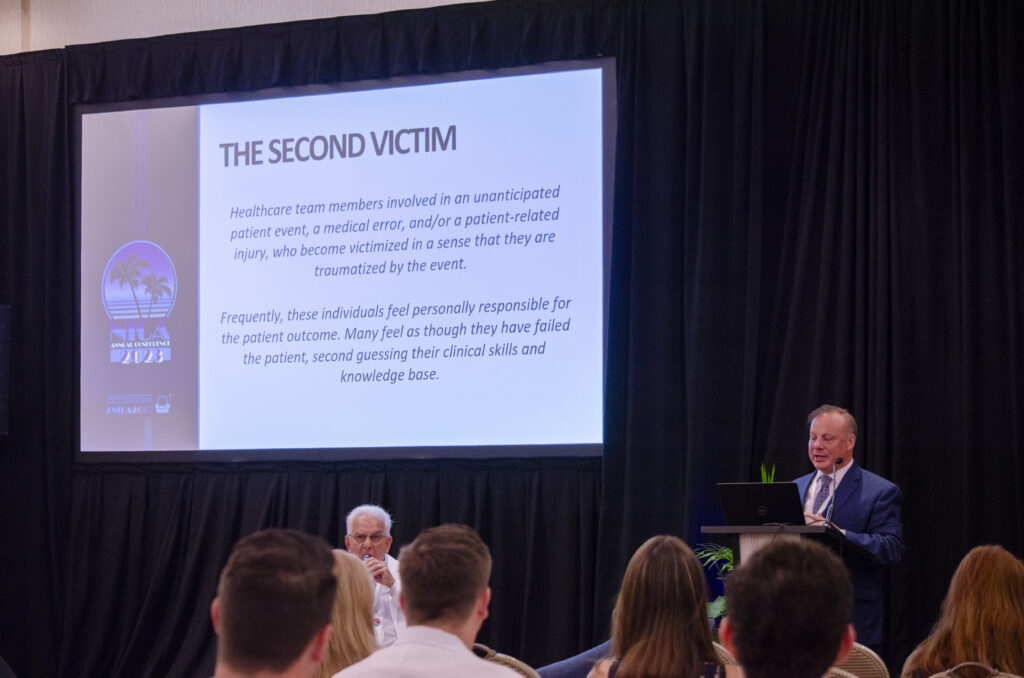
The Second Victim
A second victim is “any health care worker, directly or indirectly involved in an unanticipated adverse patient event, unintentional healthcare error, or patient injury, and becomes victimized in the sense that also the worker is negatively impacted.” 21
The negative impacts a second victim might experience can include trauma, guilt, anxiety, depression, and more. They may affect the clinicians desire or ability to perform their job, or even to participate in everyday life and activities as they used to.
In 2006, a pharmacist named Eric Cropp missed a mixing error made by a pharmacy technician he was supervising. The dose, an IV chemotherapy treatment, was administered to two-year-old Emily Jerry. Due to the high salt concentration of the miss-mixed bag, Emily unfortunately passed away.
Eric Cropp is the second victim of this story, and he not only lost his pharmacy license, but was sentenced to six months in jail, six months of house arrest, three years of probation, 400 hours of community service, and a $5,000 fine.
Eric has also shared that the period following the error was one of the most difficult times of his life. He fell into a depression, felt confused and anxious, faced extreme guilt, and even had suicidal thoughts. Thankfully, he found a support system, and over the last 20 years, has dedicated himself to patient safety advocacy; reconnected with Emily’s father, Chris Jerry, who founded the Emily Jerry Foundation; and has spoken at numerous conferences and educational events to share how one error changed his life forever (watch Eric’s Second Victim Webinar).
However, not all second victim stories turn out like Eric’s. Kimberly Hiatt, an ICU nurse who mistakenly overdosed an infant, committed suicide in the months following the infant’s death. According to her family and friends, Kimberly’s despair and loss of hope to ever practice again became too overwhelming. 22 With one error, the world lost two people.
If you or someone you know has made a medication error, help them get the support they need: Resources for Second Victims & Error Reporting.
What’s the total cost?
While we don’t have a calculator to generate how much a medication error would cost because of the specifics of each case, we can easily estimate that a single medication error can be extremely expensive. Nevertheless, let’s say an error occurred with the following parameters:
A woman received an IV administration of Rituxan (rituximab) to treat her rheumatoid arthritis. Mistakenly, the infusion nurse started the first dose at too high a rate (150 mg/hr) when Rituxan requires an initial infusion rate of no more than 50 mg/hr. Because of this error, the patient experienced a severe infusion reaction leading to hypotension and cardiac arrest. She was rushed to the emergency room, intubated, started on intravenous epinephrine (via a central line), and stabilized.
She spent two hours in the ER before being transferred to the intensive care unit for four days, and then a telemetry/regular hospital floor for an additional two days. She had follow-up appointments to assess her cognitive and motor function, as well as an echocardiogram which confirmed that there was no lasting damage to her heart.
Pending an investigation and due to the guilt she feels, the nurse responsible quits her job and leaves healthcare. The patient launches a lawsuit against the nurse and the healthcare organization for malpractice, claiming additional medical fees and a loss of income during her week in the hospital and for the follow-up appointments. She also posts about the incident on her social media, which goes viral in the local area.
Thankfully, this patient’s situation did not have any severe, long-term health ramifications. However, should the patient win her case, the clinician and her organization could still face the following costs:
- Transportation to the Hospital: $1,500 – $3,500
- Hospital Stay: $20,000 – $30,000
- Additional Medications: $1,000 – $2,500 for epinephrine, sedatives, and other medications
- Testing: $4,500 – $8,000 for CT scans, chest X-rays, echocardiogram, EKGs, and more
- Legal Fees: $30,000 – $75,000 for specialized defense attorneys
- Insurance Hikes: $10,000 annually
- Administrative Costs: to be determined
- Staff Turnover: $30,000 for a temporary nurse and the searching/onboarding required to permanently backfill her position (non-hospital)
- Training: $1,000 to $15,000 for retraining sessions for the clinical team
- Loss of Business: $1,000 to $100,000+ for reputation damage and loss of patient and provider referrals
- Loss of Income: $1,000 to $3,000 lost due to inability to work and follow-up appointments
- Patient Suffering: immeasurable
- Emotional Costs for the Second Victim: immeasurable
Total Estimated Cost: $100,000 – $277,000+
Solutions for Medication Error Prevention
How can clinicians and healthcare organizations prevent an error from happening in the first place? The natural conclusion is to strengthen the three pillars: communication, checks for human error, and established systems. But how exactly do you go about that?
The Five Rights
Using the five rights of medication administration is one of the primary recommendations to prevent errors. While the five rights alone cannot ensure an error never happens, their practice provides clinicians with a simple checklist that can substantiate their actions and process if an error were to occur.
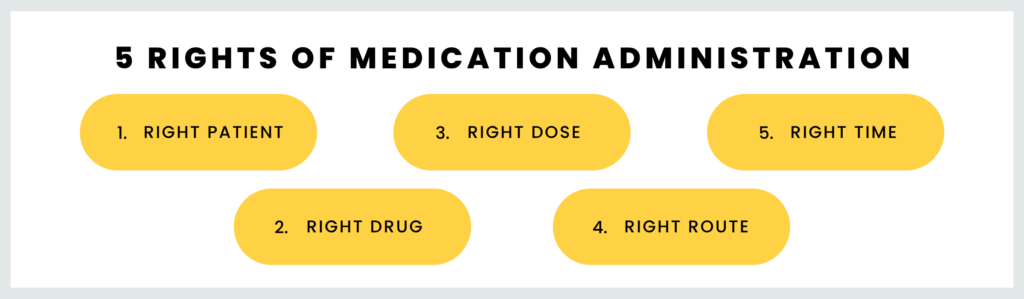
When administering a medication, a clinician should confirm: 23
- The right patient
- The right drug
- The right dose
- The right route
- The right time
Best Practices
Another straightforward solution for error prevention is embracing best practices. This can include minimizing distractions in the clinical setting, embracing a culture of safety, and enhancing training and safety protocols.
Utilizing a Medication Error Surveillance (MES) program, designed to improve monitoring during medication preparation and administration, can improve clinical confidence and patient safety. While an MES program may lead to more reported errors, this simply demonstrates the effectiveness of the program in catching errors, which makes it easier to eliminate them in the future.
Technology
Technological solutions have advanced considerably in the 21st century.
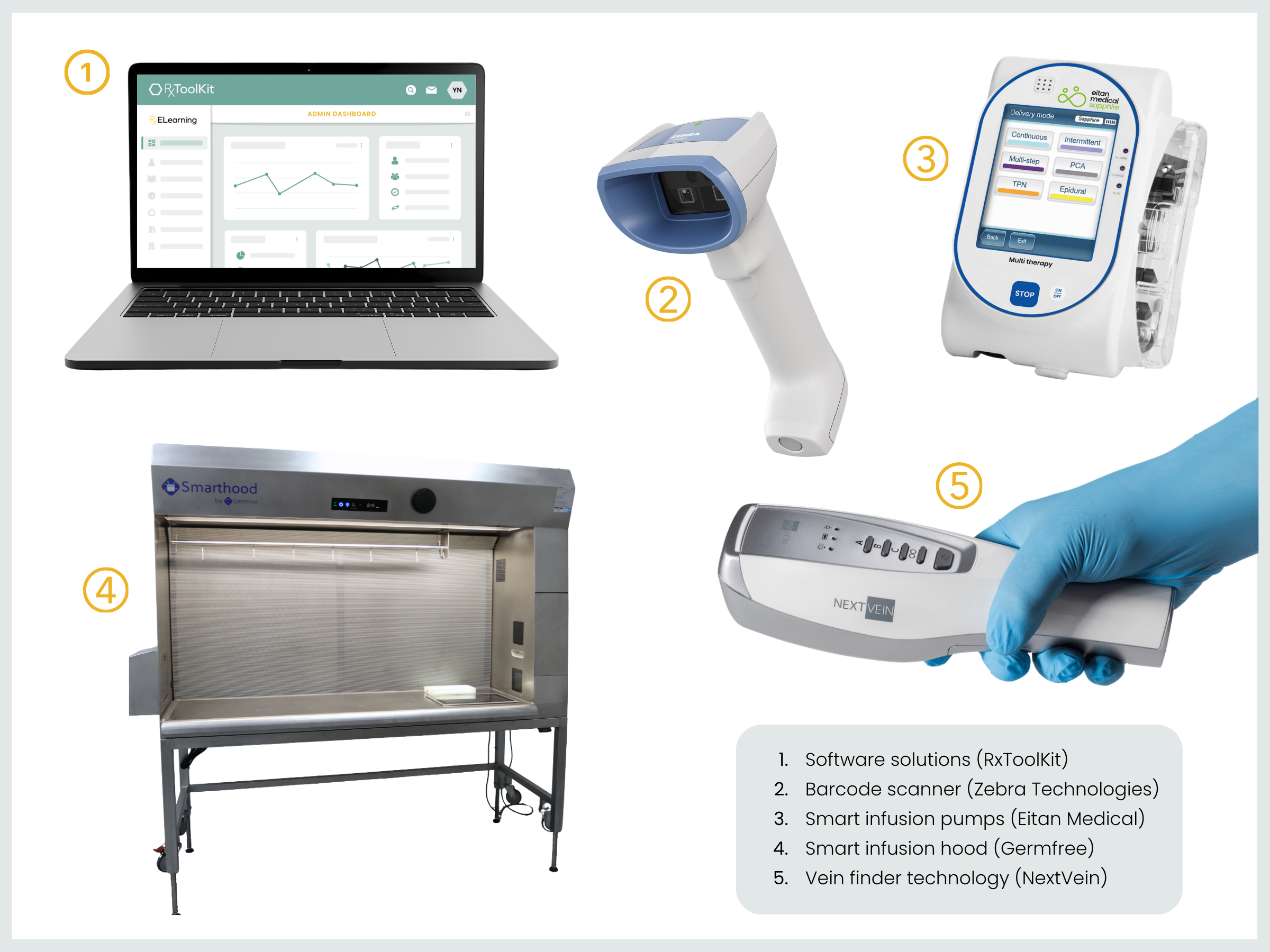
The introduction of smart infusion pumps has been linked to error reduction for incidents related to incorrect dosing, infusion rates, and pump failure. Barcode technology helps verify the five rights of medication administration, eliminating potential human error in these processes. Vein finders not only increase comfort for the patient, but can reduce the risk for infections and complications due to incorrect or repeated IV insertion.
The latest invention, the Germfree Smarthood™, uses machine-readable coding to verify products during the compounding process, can automatically perform calculations and conversions, includes documentation of all steps completed during compounding, and works with EHRs to transcribe and document orders. It was designed as a double-check for clinicians, and can have serious benefits for patient safety and error prevention. 24
Other technological options that prevent errors include smart calculators, automated dispensing cabinets, hard and soft limits built into systems, and shifting to secure digital protocols and resources.
RxToolKit
RxToolKit is the perfect example of a technology solution actively working to prevent medication errors and improve patient safety. A web-based software platform, RxToolKit includes two bundled solutions to solve problems in every aspect of the medication preparation and administration process.
The first solution, RxELearning, is a training and education resource for clinicians. It features medication-specific courses that include all of the vital information from the drug’s package insert, built-in assessments, drug biosimilar courses, and skills-based training to promote best practices. Managers in healthcare organizations have access to view competency and passing rates for their clinical teams for each course, and can assign training based on the medications or skills pertinent to the clinician or the organization.
RxELearning also grants clinicians access to a library of free on-demand webinars and infusion-specific continuing education units (CEUs) provided by the Infusion Nurses Society (INS), which can offer nursing contact hours and CRNI® recertification units. Through a partnership with the Immunoglobulin National Society (IgNS), RxToolKit also provides free access to the full IgNS educational library, which features continuing medical education (CME) courses that can supply nursing, pharmacy, and/or physician contact hours, and IgCP®/IgCN® recertification units.
RxToolKit’s second solution in the bundle, RxWorkFlow, is a medication information and resource solution. It includes a vast library of searchable medication guides for biologics, antibiotics, vaccines, hemophilia drugs, and oncology medications. Monitored and maintained by a pharmacy team, each medication guide has the most up-to-date, FDA-approved information and guidelines on the drug’s preparation, administration, warnings, and monitoring suggestions.
Each guide also includes built-in smart calculators, including titration and taper schedules (when applicable), printable patient education sheets, and an outlet for clinician- and medication-specific electronic notes. A Drug Updates page keeps clinicians knowledgeable about all recent changes to the existing medication guides, and alert of any new drugs available to view.
Combined, RxELearning and RxWorkFlow prevent errors related to outdated medication resources, gaps in training, and changes in best practices and standardization. It automates competency monitoring between clinicians and healthcare organizations, streamlines and double-checks calculations for rates and schedules, and improves communication between clinicians and patients.
A full medication process utilizing RxToolKit prevents harmful errors from ever reaching the patient, and saves patients, clinicians, and organizations the associated costs. Additionally, RxToolKit has a collaboration with a leading national broker and insurance company to grant organizations savings on their medical malpractice (professional) liability insurance.
Rather than wait for if (and when) an error will occur to update protocols and improve practices, organizations need to prevent these harmful errors from ever taking place and embrace the options available to them. Otherwise, the threat of thousands of dollars in direct and indirect costs, and the immeasurable cost of the intangible impacts, looms on the horizon of every infusion, injection, and medication administration.
References:
1 National Coordinating Council for Medication Error Reporting and Prevention. (n.d.). What is a medication error?. NCCMERP. https://www.nccmerp.org/about-medication-errors
2 Tariq RA, Vashisht R, Sinha A, et al. Medication Dispensing Errors and Prevention. [Updated 2024 Feb 12]. In: StatPearls [Internet]. Treasure Island (FL): StatPearls Publishing; 2026 Jan-. Available from: https://www.ncbi.nlm.nih.gov/books/NBK519065/
3 Doadmin. (2026, January 12). Medication errors: Who is responsible when a medication error occurs?. LawMD Chartered Blog. https://www.lawmd.com/blogs/7874/medication-errors-who-is-responsible-when-a-medication-error-occurs/
4 MacDowell P, Cabri A, Davis M. Medication Administration Errors. PSNet [internet]. Rockville (MD): Agency for Healthcare Research and Quality, US Department of Health and Human Services. 2021.
5 Ling, V., Jacobson, A., & Berger, K. (2026, March 27). Medication errors statistics. The Check Up. June 12, 2026, https://www.singlecare.com/blog/news/medication-errors-statistics/
6 Global burden of preventable medication-related harm in health care: a systematic review. Geneva: World Health Organization; 2023. Licence: CC BY-NC-SA 3.0 IGO
7 dosepacker. (2026, January 9). Medication Error Statistics 2026. DosePacker. June 12, 2026, https://dosepacker.com/blog/medication-errors-statistics
8 Ranasinghe, S., Nadeshkumar, A., Senadheera, S., & Samaranayake, N. (2024). Calculating the cost of medication errors: A systematic review of approaches and cost variables. BMJ open quality, 13(2), e002570. https://doi.org/10.1136/bmjoq-2023-002570
9 Medication Errors Injure 1.5 Million People and Cost Billions of Dollars Annually; Report Offers Comprehensive Strategies for Reducing Drug-Related Mistakes. (2006, July 20). The National Academy of Sciences. June 12, 2026, https://www.nationalacademies.org/news/medication-errors-injure-one-point-five-million-people-and-cost-billions-of-dollars-annually-report-offers-comprehensive-strategies-for-reducing-drug-related-mistakes
10 McAllister, R. (2026, June 5). What is the average cost of a hospital stay in the US? 2026 state-by-state comparison. North American Community Hub. https://nchstats.com/average-cost-of-hospital-stays-in-us/
11 Milliken, M. (2025, May 20). Hospital and Surgery Costs. Debt.org. June 12, 2026, https://www.debt.org/medical/hospital-surgery-costs/
12 Epinastine hcl: Prescription price comparison | compare drug prices. WellRx. (n.d.). https://www.wellrx.com/prescriptions/daptomycin/
13 Rituxan prices, coupons, copay cards & patient assistance. Drugs.com. (n.d.). https://www.drugs.com/price-guide/rituxan
14 New study details doctors’ medical malpractice defense costs. CHH Law. (2016, June 20). https://www.chhlaw.com/new-study-details-doctors-medical-malpractice-defense-costs/
15 Facts on Settlements for Wrong Prescriptions. (n.d.). SadakaLaw. June 12, 2026, https://www.sadakafirm.com/blog/settlements-for-wrong-prescriptions/
16 Beres, N. (2022, May 23). Supporters help pay state fines for former nurse Radonda Vaught after medical mistake case. ABC 10 News. June 12, 2026, https://www.10news.com/news/national/supporters-help-pay-state-fines-for-former-nurse-radonda-vaught-after-medical-mistake-case
17 Malpractice premium costs creep up as medical practices work to curb expenses. MGMA. (n.d.). https://www.mgma.com/mgma-stat/malpractice-premium-costs-creep-up-as-medical-practices-work-to-curb-expenses
18 Admin. (2014, October 9). Understanding the options in the medical malpractice insurance market. Diederich Insurance. https://medmal.diederichinsurance.com/understanding-the-options-in-the-medical-malpractice-insurance-market/
19 dosepacker. (2025, August 8). Medication Errors In Care Facilities: Hidden Costs And Prevention Strategies. DosePacker. June 12, 2026, https://dosepacker.com/blog/hidden-cost-of-medication-errors-in-care-facilities
20 Gamble, M. (2026, April 22). The cost of nurse turnover in 10 points | 2026. Beckers Hospital Review. https://www.beckershospitalreview.com/workforce/the-cost-of-nurse-turnover-in-10-points-2026/
21 Vanhaecht, K., Seys, D., Russotto, S., Strametz, R., Mira, J., Sigurgeirsdóttir, S., Wu, A. W., Põlluste, K., Popovici, D. G., Sfetcu, R., Kurt, S., Panella, M., & European Researchers’ Network Working on Second Victims (ERNST) (2022). An Evidence and Consensus-Based Definition of Second Victim: A Strategic Topic in Healthcare Quality, Patient Safety, Person-Centeredness and Human Resource Management. International journal of environmental research and public health, 19(24), 16869. https://doi.org/10.3390/ijerph192416869
22 Newland, Jamesetta PhD, RN, FNP-BC, FAANP, FNAP. Medical errors snare more than one victim. The Nurse Practitioner 36(9):p 5, September 2011. | DOI: 10.1097/01.NPR.0000403294.04964.57
23 Federico, F. (2007, March 1). The Five Rights of Medication Administration. Institute for Healthcare Improvement. https://www.ihi.org/library/blog/five-rights-medication-administration
24 SmarthoodTM | IV Workflow Hood | USP 797/800 compliant IV prep hood. Germfree. (n.d.). https://www.germfree.com/equipment/smarthood/