Over the years, the pharmacy technician role has expanded from purely clerical tasks to including complex medication management. In this article, Bailey Klingaman walks through how and why pharmacy tech responsibilities have changed, their impacts on medication safety, and the regulations put in place for technicians. Experienced pharmacy technician Joanne Adam, CPhT offers insight into the changing landscape and her thoughts on the professional options available to techs.
When most people think of healthcare, they think of doctors, nurses, or pharmacists. But behind every prescription and every infusion is an entire team working behind the scenes. At the heart of many prescription fills and intravenous treatments are pharmacy technicians.
To understand how the role of the pharmacy technician has transformed over the years, we interviewed Joanne Adam, a Certified Pharmacy Technician (CPhT) who has been working in the field since the 1970s. Having worked in retail settings, hospital pharmacies, sterile IV compounding, and chemotherapy preparation, she’s seen the responsibilities of a pharmacy technician evolve from a pharmacist extender to a vital piece in the modern patient care experience.
“When I started, I had no idea what I was getting into. Basically, it was like a clerk job: I typed labels, put the labels on a vial, the pharmacist would check it, and it would get delivered. But as the years went by, the role expanded.” – Joanne Adam, CPhT
What is a pharmacy technician?
According to the Mayo Clinic College of Medicine and Science, a pharmacy technician is a healthcare professional who works under the supervision of a pharmacist to prepare and dispense prescription medications, support medication distribution, assist with patient care, and aid in safely and accurately processing prescriptions.

However, the role of the pharmacy technician extends far past prescription management and preparation, and many techs are responsible for complex tasks that allow the pharmacists to focus more time on patient care.
What are the responsibilities?
Pharmacy technicians can be found in a variety of settings, including retail pharmacies, hospitals, clinics, long-term care facilities, nursing homes, assisted living facilities, mail-order pharmacies, and pharmaceutical distribution centers. Depending on the environment, a pharmacy tech’s responsibilities can vary to best support the pharmacist and optimize clinical outcomes.
Some responsibilities may be universal across healthcare settings, such as:
- Measuring, packaging, and labeling medications
- Dispensing medications under the supervision of a pharmacist
- Managing inventory, tracking supplies, and maintaining medication stock
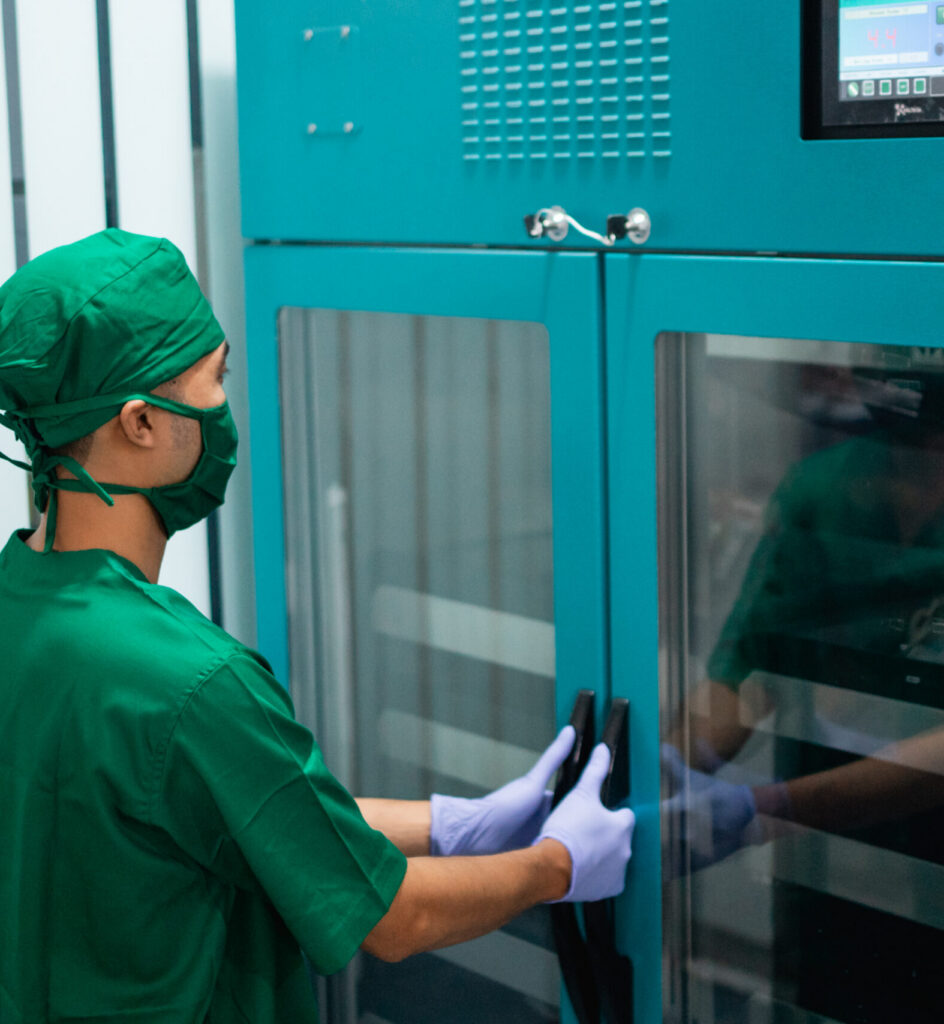
- Ensuring storage conditions are met for sensitive medications
- Collaborating with pharmacists and other healthcare professionals
- Operating automated systems (e.g. dispensing, compounding, workflow)
Other responsibilities may be more individual to the specific setting. For example, the duties of a retail or community pharmacy technician can also include:
- Providing prescriptions and over-the-counter medications
- Utilizing technology to record customer and medication data
- Facilitating communication between patients and healthcare professionals
- Administering vaccines under pharmacist supervision
- Managing billing information, collecting payment from customers, and processing insurance claims
While outpatient hospital pharmacy technicians can operate similarly to retail or community technicians, inpatient hospital pharmacy technicians may be responsible for a greater variety of medications and duties, such as:
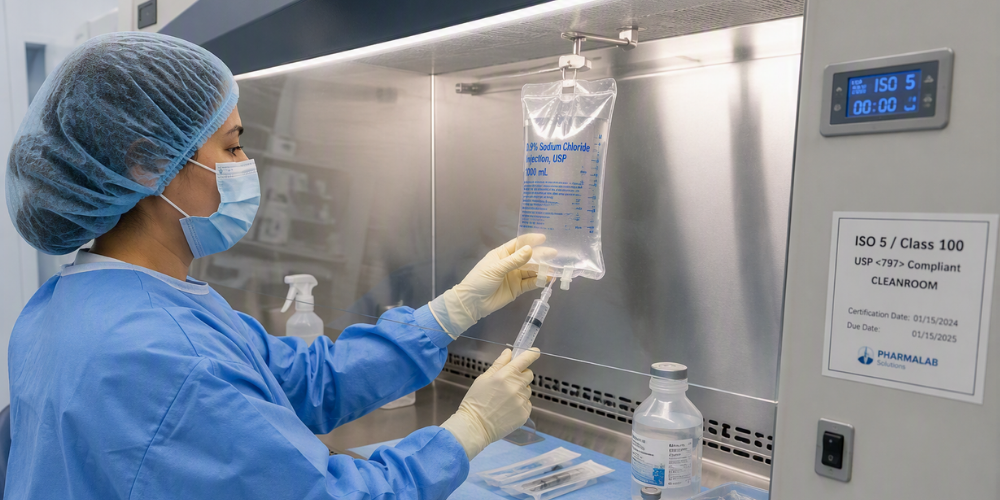
- Preparing sterile IV bags and solutions
- Compounding chemotherapy or hazardous drugs
- Cleaning, maintaining, and sterilizing pharmacy cleanrooms
- Delivering time-sensitive or urgent medications
- Utilizing automated cleanroom systems and software
- Stocking and maintaining inventory across supply trays, carts, and floor refrigerators
A Day in the Life of a Hospital Pharmacy Tech
Having been a hospital pharmacy technician for the majority of her career, Joanne walked us through what an average day on the job looked like for her, depending on where she was needed.
“I was sort of a jack-of-all-trades. They would put me in one area one day and another place the next day, so I rarely had a job where I did the exact same thing three days in a row.” – Joanne Adam, CPhT
When she was working with sterile products in the chemo room, she and another technician would split the day’s IV bag orders between them, with one mixing chemotherapy and the other preparing antibiotics, subcutaneous injections, and syringes. The pharmacist would alternate between the two, checking and approving orders.
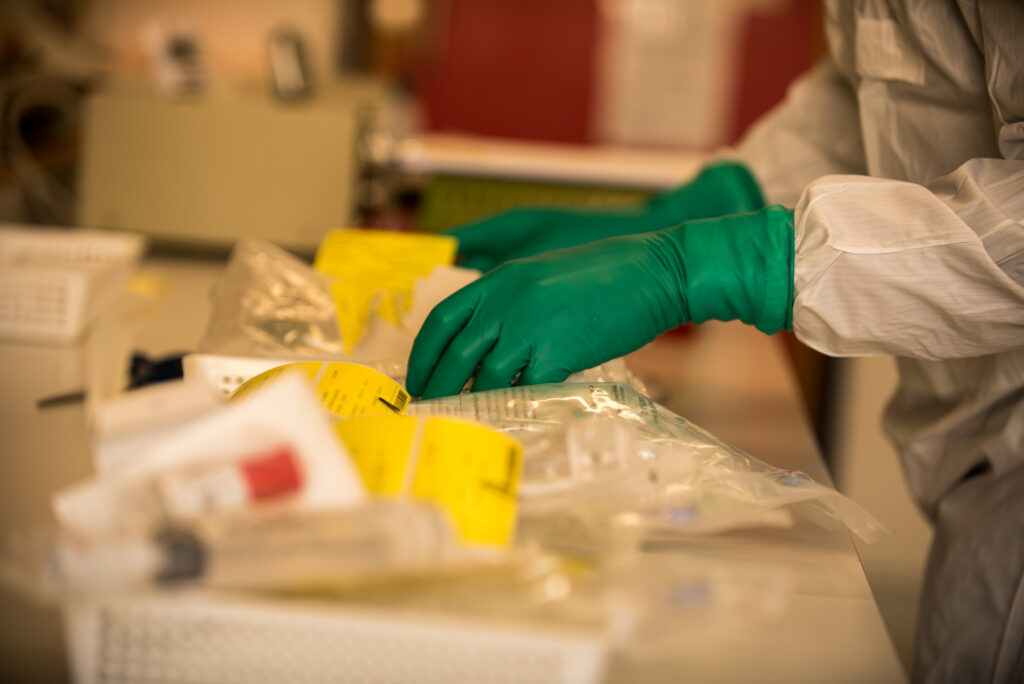
In addition to preparing the IV bags, Joanne would also be responsible for stocking her area with the necessary trash cans, buckets, and bags after properly sanitizing them so they could enter the cleanroom. Every day, the cleanroom hoods would need to be sterilized, and every month the walls and ceilings of the room would be wiped.
When she worked in the main pharmacy cleanroom, she would receive orders from the pharmacist and prepare the syringes for the IVs. She couldn’t shoot them into the bag until approved, so she would pull the plunger back and lay them down flat so the pharmacist could see she drew the proper amount and used the correct drug before injecting the medication into the IV bag.
Joanne also had experience working with a RIVA® machine, a self-contained cleanroom. The majority of IV bags that were prepared in the machine were antibiotics, as they were the fastest moving bags. She would bring in the supplies she needed and create 50 bags at a time, allowing the machine to automatically label them, and place them in the refrigerator for storage.

If she was placed in the main part of the pharmacy, she had access to two machines where she would pick orders for patients using a scanner. After scanning to ensure she had the right medication, she would lay it out for the pharmacist to check, separate, and wait for it to be taken for delivery to the patient.
The pharmacy technicians would also be responsible for stocking the automated machines on the nursing floors, which involved taking reports, picking the stock, and delivering it to be loaded into the floor machines.
“You had to be flexible enough to say, ‘Okay, they don’t need me here; they need me somewhere else.’” – Joanne Adam, CPhT
How have pharmacy technicians changed over the years?
Pharmacy technicians have been around since World War II when their primary duty was to assist pharmacists in their daily tasks as clerks or cashiers. At this time, many technicians were high school graduates relying primarily on employer-based training programs.
Beginning in the 1960s, health-system pharmacists began to shift into clinical roles and automation became more accepted, opening up opportunities for pharmacy technicians to take on more formal roles in the hospital setting.
“As things changed, pharmacists realized they needed assistance and couldn’t do it all themselves. Over the years, they gave technicians a little bit of responsibility, saw that it worked, and expanded the role further.” – Joanne Adam, CPhT
However, community pharmacists in particular were hesitant to utilize pharmacy technicians to the full extent, concerned about training and public safety. In 1968, The Department of Health, Education and Welfare recommended that pharmacy techs receive formal training in junior colleges or other institutions.
Gradually, the responsibilities of pharmacy technicians began to expand, stretching to include medication preparation, patient support, clinical support, and specialized inventory management. And in 1982, the American Society of Health-System Pharmacists (ASHP) approved standards for accreditation of pharmacy tech education programs.
It wasn’t until the 1990s, when pharmacy technician roles became more clearly defined, that certifications and training implementation became more prevalent. The Pharmacy Technician Certification Board (PTCB) was created in 1995, the first certification organization for pharmacy technicians in the U.S., but even then, certification was not widely pursued.
“I didn’t become a certified technician until 2000…Another technician and I were among the few people in our department who were certified.” – Joanne Adam, CPhT
After the introduction of the Affordable Care Act in 2010, which gave patients increased access to community pharmacy services like medication therapy management, the clinical services provided by pharmacists expanded rapidly. But with increasing demand on pharmacists came unmanageable workloads and dissatisfaction.
According to a survey by the 2014 American Association of Colleges of Pharmacy (AACP), 66% of community pharmacists reported an increase in their workload compared to the previous year, 54% stated that the workload had a negative impact on their ability to spend time with patients, and 35.5% felt that the workload negatively impacted the quality of care they were able to provide.
Transitioning a portion of the workload to trained pharmacy technicians helped pharmacists connect with patients while still providing high-quality care and meeting medication demand. This helped open the door for pharmacists to provide clinical services, patients to receive treatment, and pharmacy technicians to build upon their experience and contribute further to patient care.
Now—with additional training, education, and experience—pharmacy technicians can become managers of retail pharmacies, pharmaceutical representatives, or pharmacists. They can even take on specialized roles like sterile compounding technician, nuclear pharmacy technician, or medication history technician.
“In the last few years, opportunities have exploded. You can take your certification into so many different branches…There are just so many places you can take the job, especially if you have courses in chemistry or biology…” – Joanne Adam, CPhT
What does it take to become a pharmacy tech?
Timeline
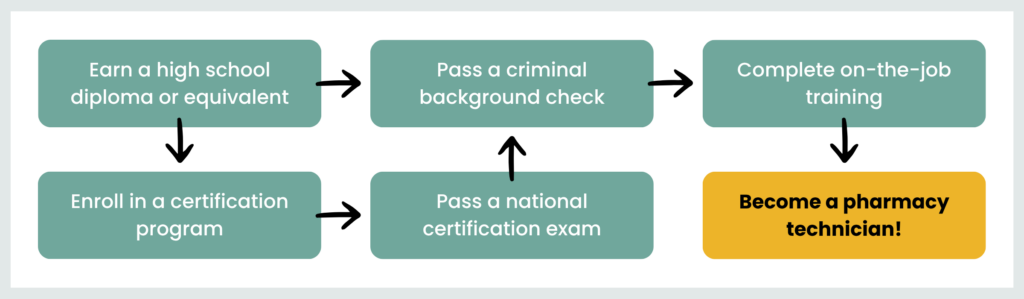
Requirements can vary by state and employer, but a typical pathway to becoming a pharmacy technician can take anywhere from a few months to a few years and may include:
- Earning a high school diploma or equivalent
- Enrolling in a pharmacy technician certification program
- Passing a national certification exam, such as the PTCB exam
- Completing a criminal background check
- Completing on-the-job training
Education & Requirements
While pharmacy technicians are not required to earn degrees past a high school diploma or equivalent, many choose to pursue post-secondary education, whether it be a certification program or an associate degree.
According to the Occupational Information Network (O*NET), 36% of the current pharmacy technician workforce in the U.S. has a high school diploma or equivalent as their highest completed degree and 42% has a post-secondary certification for completion of a training program.
Some technicians may be able to complete the required training on the job, working alongside more experienced pharmacy technicians. On-the-job training can vary by employer, but usually takes under a year to complete.
Currently, most states have established regulations for pharmacy techs either requiring them to pass a certification exam or complete a formal training program. Programs are typically offered by vocational schools or community colleges and can award certifications within a year. They may offer clinical experience opportunities where students can gain hands-on experience in a pharmacy setting, and generally cover arithmetic used in pharmaceutical calculations, recordkeeping, medication dispensing, and pharmacy law and ethics.
Variability by State
As mentioned, different states have different requirements for the training, certifications, and registrations of pharmacy technicians. The PTCB has an accessible state regulations map of the United States with the recent status of requirements for each state.
For scoring of each state’s laws, regulations, and educational requirements, visit the interactive National Pharmacy Technician Initiative and Scorecard map hosted on the Emily Jerry Foundation website, created in partnership with ASHP.
Registration vs. Licensure vs. Certification
Depending on the requirements of their state and employer, pharmacy technicians have a few options available to them: registration, licensure, and certification.
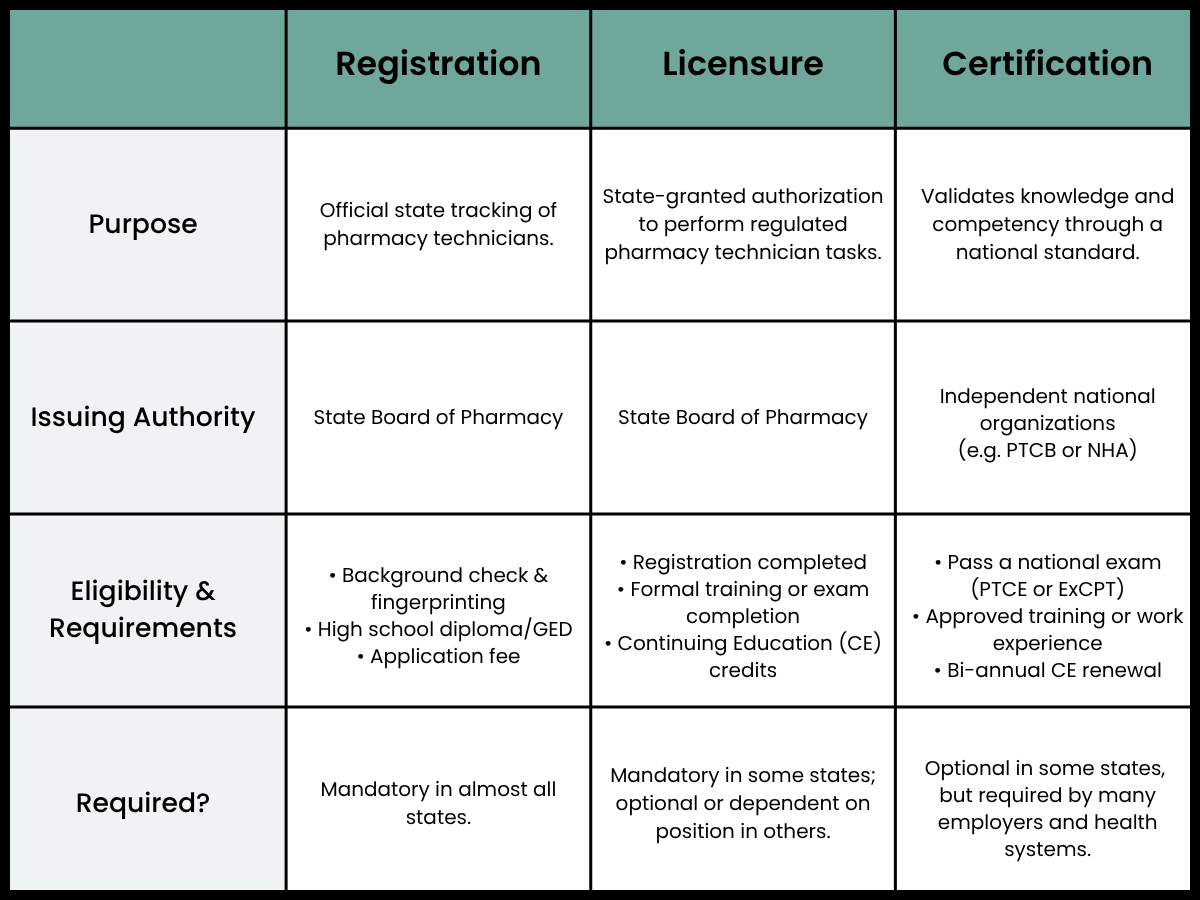
According to the PTCB, registration is defined as “making a list of pharmacy technicians in the state or of being enrolled in an existing list.”
Licensure is defined as “the process by which an agency of government grants permission to an individual to engage in a given occupation upon recognizing that the applicant has attained the minimum competency necessary to ensure that the public health, safety, and welfare will be reasonably well protected.”
Certification is defined as “a professional national credential that demonstrates an individual’s knowledge and competency in pharmacy practice” and that “is earned by meeting eligibility requirements and passing a nationally recognized certification exam,” such as the PTCB’s CPhT Program or the National Healthcareer Association’s (NHA) Exam for the Certification of Pharmacy Technicians (ExCPT).
Pharmacy Technician Certifications
Pharmacy technicians currently have four certifications available to them through the PTCB: Certified Pharmacy Technician (CPhT), Certified Compounded Sterile Preparation Technician (CSPT), Advanced Certified Pharmacy Technician (CPhT-Adv), and Certified Pharmacy Technician Educator (CPTEd).
“I’m still amazed by how much the field has evolved…Over the last eight to nine years, the PTCB has broadened the spectrum so you can earn advanced certifications in specialized areas. I didn’t have those specific opportunities back then, or I definitely would have pursued them.” – Joanne Adam, CPhT
Certified Pharmacy Technician (CPhT)
In 2020, the PTCB made edits to the requirements for its CPhT Program to offer two pathways to certification eligibility. One pathway is completion of a PTCB-recognized training program, and the other is completion of 500 hours of work experience.
“The new eligibility requirements are based on input from pharmacy professionals that certain knowledge, skills, and abilities are acquired most effectively through education/training or work experience,” said PTCB Executive Director & CEO William Schimmel in a press release.
Also in 2020, the PTCB updated the Pharmacy Technician Certification Exam (PTCE) from nine knowledge areas to four. The previous areas included:
- Pharmacology
- Pharmacy Law and Regulations
- Sterile and Non-Sterile Compounding
- Medication Safety
- Pharmacy Quality Assurance
- Medication Order Entry and Fill Process
- Pharmacy Inventory Management
- Pharmacy Billing and Reimbursement
- Pharmacy Information Systems
The current PTCE knowledge areas now include:
- Medications
- Federal Requirements
- Patient Safety and Quality Assurance
- Order Entry and Processing
Certified Compounded Sterile Preparation Technician (CSPT)
A CSPT must have a deep understanding of compounded sterile preparation (CSP). As these drugs can have immediate effects on patients and may contain hazardous ingredients, a CSPT certification includes a CSPT exam in addition to meeting eligibility requirements.
To be eligible for CSPT certification, technicians must have an active PTCB CPhT certification and can either (1) complete a PTCB-Recognized Training Program for the CSPT Program and have one year of full-time continuous CSP work experience, or (2) have three years of full-time continuous CSP work experience in the last 8 years.
Advanced Certified Pharmacy Technician (CPhT-Adv)
Certified pharmacy techs also have the option to pursue an advanced certification. In order to be eligible, they must hold an active PTCB CPhT certification and have completed either (1) four Assessment-Based Certification Programs or (2) three Certificate Programs and the Compound Sterile Preparation Technician (CSPT®) Certification.
As of August 2026, the available Certificate Programs include:
- Billing and Reimbursement
- Controlled Substances Diversion Prevention
- Hazardous Drug Management
- Immunization Administration
- Medication History
- Medication Therapy Management
- Nonsterile Compounding
- Point-of-Care Testing
- Regulatory Compliance
- Supply Chain and Inventory Management
- Technician Product Verification
Certified Pharmacy Technician Educator (CPTEd)
Educators of pharmacy technicians can attain a CPTEd certification to equip themselves with the complete skillset to best mentor their students. Certification involves a CPTEd exam and eligibility requires either (1) an active PTCB CPhT certification and at least three years of experience educating, instructing, or training in pharmacy, or (2) an active NHA CPhT Certification or pharmacy degree (e.g., PharmD, BS Pharm, BSPS) with at least three years of experience educating, instructing, or training in pharmacy.
Skills
In addition to training and like many professions, pharmacy technicians also need to have a multitude of skills to be successful. The days of pharmacy technicians as purely cashiers and assistants are in the past, and the skillset of today’s technicians must span digital communication, compassion, and more.
Technical skills can include:
- Knowledge of medications, dosage calculations, and potential drug interactions
- Experience utilizing pharmacy software and electronic health systems
- Managing inventory and tracking supplies
- Strong understanding of pharmacy safety protocols and best practices
- Ability to interpret written prescriptions
- Accurately completing complex pharmaceutical calculations
Interpersonal skills can include:
- Customer service skills
- Attention to detail
- Accuracy and efficiency in task completion
- Effective communication with patients and healthcare professionals
- Time management
- Organizational skills
“I think that’s what a pharmacy technician is…Someone who’s willing to work, be flexible, willing to take instruction, and not afraid to ask questions. I just enjoy learning something, and that’s important for a technician—being willing to learn, and to learn on your own because nobody is going to feed you the answers.” – Joanne Adam, CPhT
How do pharmacy technicians impact patient safety?
As the responsibilities of pharmacy technicians have expanded to include more clinical tasks, such as sterile compounding and medication management, the role they play in patient safety has increased as well.
In 2006, a two-year-old girl was preparing to receive her final round of chemotherapy after five months of treatment. She had been declared cancer-free and her family was planning to leave for a vacation immediately after her infusion.
At the time, looser policies at the hospital allowed the pharmacist and technician to make their own D5 normal saline solution in the pharmacy, and the technician began prepping the bag. Due to a compounding error on the pharmacy technician’s part, distractions, rushing, and understaffing in the pharmacy that day, the pharmacist did not catch the error and allowed an incorrectly made IV bag to be sent to the little girl.

What should have been a standard bag of saline with 0.9% sodium chloride was actually a bag of 23.4% sodium chloride. One mistake on a busy morning made by a pharmacy technician who did not have the core competency required to understand the difference between the two solutions, and a pharmacist who missed that mistake, led to the toddler overdosing on hypertonic saline.
That little girl was Emily Jerry, daughter of Christopher Jerry and namesake of the Emily Jerry Foundation, a nonprofit organization dedicated to advocating for patient safety and pharmacy technician regulations. The pharmacist was Eric Cropp, who served time in prison, lost his license, and currently promotes patient safety initiatives and speaks about his and Emily’s story. The pharmacy technician was Katie Ferg-Dudash, who faced no charges but reportedly left the healthcare profession.
The day that should have been a celebratory last chemo treatment became a day that Chris, Eric, and Katie will never forget.
While it’s important to recognize that there were multiple factors contributing to the error being made and missed, the lack of regulatory standards and licensing requirements in Ohio at the time fostered the opportunity for a compounding mistake to occur.
Since Emily’s death, Chris Jerry founded the Emily Jerry Foundation and helped spark change in the industry, resulting in new laws and regulations for technician training across the country.
“Hearing about Eric Cropp’s situation and talking with Chris Jerry was a massive wake-up call for me—more than anything else I’ve experienced in pharmacy. It made me stop and ask: ‘What am I doing, and how am I doing it to ensure it’s completely correct?’” – Joanne Adam, CPhT
The evidence shows that certified pharmacy technicians are less likely to make errors and have more consistent medication adherence. In a study from “Assessing Pharmacy Technician Certification” in the June 2019 Journal of the American Pharmacists Association (JAPhA), certified pharmacy technicians reported having “a stronger organizational commitment and [viewed] themselves as making fewer medication errors.”
As both clinical and patient-facing healthcare workers, pharmacy techs are responsible for preventing medication errors when dispensing, compounding, preparing, and educating patients on the drug. Even small errors can have extreme adverse reactions, and pharmacy technicians are often the first line of defense in identifying potential drug interactions.
While pharmacists are responsible for making clinical decisions and supervising technicians, techs are responsible for ensuring they are precise with the management of medications, knowledgeable about the systems in place, and effective when it comes to communication with patients and healthcare professionals.

Medication Management
Medication management for a pharmacy tech can include many different small tasks and checks under one umbrella. The technician might be responsible for:
- Identifying the correct patient is receiving the medication
- Maintaining an accurate and up-to-date medication list for the patient (e.g. updating active refills, duplicate orders, discontinued prescriptions, etc.)
- Providing the patient with a review of their medication(s)
- Confirming dosages
- Spotting look-alike/sound-alike drugs
- Flagging prescription discrepancies
- Reviewing patient records for accuracy and raising issues before they reach the patient
Systems & Protocols
Ensuring that systems and protocols are followed appropriately may seem like a simple task, but its implications for patient safety are notable. A pharmacy technician’s ability to:
- Handle insurance
- Maintain prescription workflows
- Troubleshoot system glitches
- Process prescriptions
- Ensure accurate record-keeping
- Handle medications safely and properly
…helps a pharmacy operate smoothly, safely, and gives the pharmacist more flexibility to engage in patient care.
Communication
While pharmacy technicians are not responsible for patient care decisions, they are constantly interacting with patients and healthcare professionals. Whether it’s comprehending prescriptions from a provider to accurately prepare or compound medications, or quickly answering a patient’s question about a new medication, communicating effectively and confidently helps patients trust the care they’re receiving.
No matter how short the interaction, every touch with a patient, provider, or medication is an important part in the journey to safe medication administration.
Ultimately, every healthcare professional is part of a team and must operate as such. Each prescription and medication order should be checked by numerous eyes, each performing an audit of the previous and current steps in the process.
“The more people who touch, look at, and read a prescription or order, the safer the process becomes. I might see something, and the next person might see something completely different. That allows us to step back, look at it together, and see what’s going on.” – Joanne Adam, CPhT
Technology for Technicians
In addition to completing training programs and earning certifications, pharmacy technicians can enhance medication safety by embracing technology. Automated compounding systems, smart IV hoods, and accessible medication information and training software can all reduce the likelihood of errors and improve efficiency in the pharmacy.
Automated Compounding Systems
Systems like RIVA®, an automated IV compounding system, reduce the risk of contamination, dosage errors, and labeling issues. It is built to factor in regulatory requirements like USP <797> and USP <800>, utilizes barcode technology to ensure accurate identification of medications, and reduces waste by optimizing batch sizes and discarded packaging.
Smart IV Hoods
Smart IV hoods are enclosed workstations used to maintain sterile environments, but with a few key enhancements. The Smarthood™ by Germfree is an “IV Workflow Management Solution” (IVWMS) designed to help automate the verification, tracking, and documentation of CSPs by:
- Using machine-readable coding (barcodes, RFID, etc.) to verify products during the compounding process with appropriate hard stops
- Automatically performing calculations and conversions
- Providing step-by-step guidance for compounding, including documentation of all steps and components
- Using visuals for volumetric verification and scales for gravimetric measuring
- Working with EHRs to transcribe and document orders
Medication Info & Training Software
But even when automation makes a pharmacy technician’s job easier and safer, it is still vital that the technician has a core understanding of the tasks the technology is streamlining and can perform their own checks. Technology can eliminate many instances of human error, but glitches, malfunctions, and overrides still pose threats to medication safety.
A pharmacy technician that is educated on system protocols and specific medications, has access to vital medication prep and administration information, and has been trained on the medication and best practices is a technician that can perform their duties safely and efficiently.

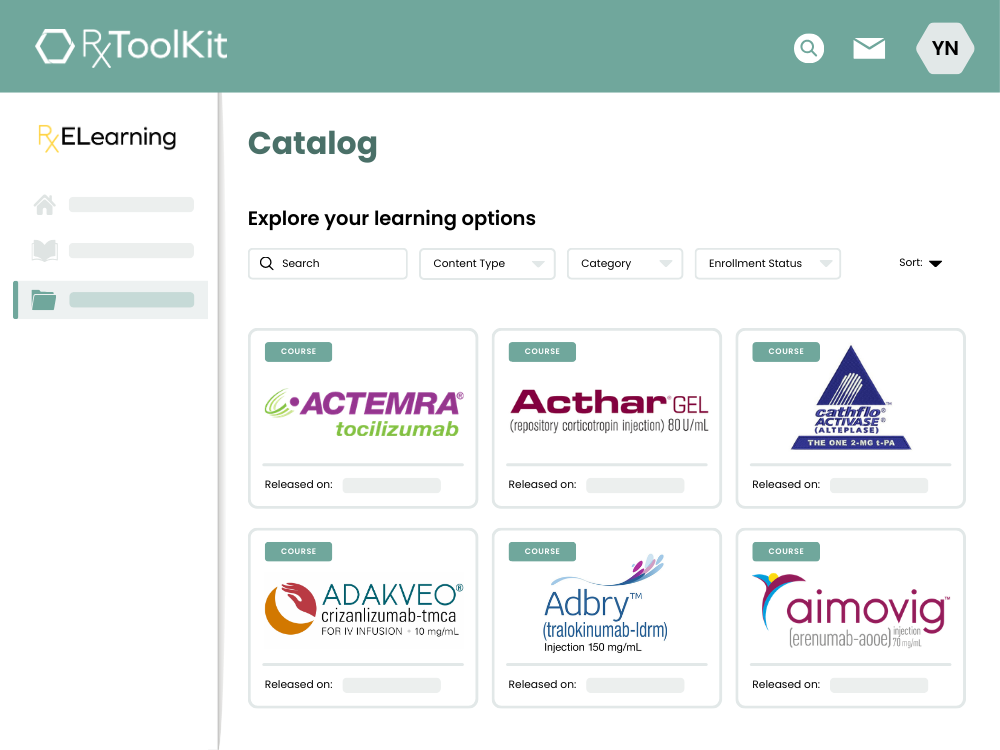
RxToolKit is a software platform for pharmacy technicians, pharmacists, and other clinicians involved in the handling of injections, oncology drugs, biologics, and other infusion medications. It provides clinicians with a library of medication guides (easy-access digital package inserts) that are kept up-to-date by a team of pharmacists with FDA-approved medication information.
The availability of built-in dosing calculators, drug preparation guidelines, and patient education resources help pharmacy technicians efficiently and accurately prepare and compound medications, putting safety first. RxToolKit also includes an educational platform, which features medication-specific and practice-focused training to promote continued education.
In combination with other technology solutions (or on its own) software solutions like RxToolKit help eliminate medication errors, improve safety efforts, and support skilled pharmacy technicians when it matters most.
The Importance of Pharmacy Technicians
Pharmacy technicians are an integral part of the healthcare team. They’ve taken on an increasing workload in the last 50 years, embraced education and certification, and made an undeniable impact on patient safety.
For technicians like Joanne Adam who have seen the role evolve firsthand, phrases like, “I’m just a pharmacy technician,” are a thing of the past. Today’s technicians are incredibly capable, vital, and irreplaceable clinical team members. Their actions directly affect patients and the opportunities available to them are diversifying by the minute.
When asked what advice she would offer to active pharmacy technicians, Joanne Adam said, “My main piece of advice is to be a sponge: absorb as much as you can from as many people as you can…The technician job has changed so much…Be open, ask questions, and don’t be afraid.”
References:
Adam, J. (2019, July 16). More than just a pharmacy technician. RxToolKit. https://rxtoolkit.com/more-than-just-a-pharmacy-technician/
American Career College. (2025, May 23). 5 things to know: Evolving role of pharmacy technicians. American Career College. https://americancareercollege.edu/blog/the-evolving-role-of-pharmacy-technicians#
Behind the counter: How pharmacy technicians ensure medication safety and patient care: Medical Training Institute of New York – College of Healthcare Professionals – NY. Medical Training Institute of New York. (2024, November 18). https://www.mtiofnewyork.com/behind-the-counter-how-pharmacy-technicians-ensure-medication-safety-and-patient-care/
DiTrapano, C. (2018, March 28). Why tech training matters: What’s The real roi? RxToolKit. https://rxtoolkit.com/why-tech-training-matters-and-whats-the-real-roi/
Jerry, C. (2018, November 29). The vital role of Pharmacy Technicians. RxToolKit. https://rxtoolkit.com/the-vital-role-of-pharmacy-technicians/
New Year, new requirements: PTCB launches new certification requirements and updated exam. Pharmacy Technician Certification Board. (2020, January 14). https://ptcb.org/news/new-year-new-requirements-ptcb-launches-new-certification-requirements-and-updated-exam/
NPTA Staff. (2025, May 7). 3 ways pharmacy technicians directly improve patient outcomes. National Pharmacy Technician Association. https://cpht.org/3-ways-pharmacy-technicians-directly-improve-patient-outcomes/
Pharmacy technician career overview: Mayo Clinic College of Medicine & Science. Mayo Clinic College of Medicine and Science. (n.d.). https://college.mayo.edu/academics/explore-health-care-careers/careers-a-z/pharmacy-technician/
Pharmacy technician history. The Pharmacy Technician Society. (n.d.). https://www.pharmtechsociety.org/member-center/pharmacy-technician-history
PTCB certification eligibility requirements to change in 2020. Pharmacy Technician Certification Board. (2019, February 28). https://ptcb.org/news/ptcb-certification-eligibility-requirements-to-change-in-2020/
Recognized education/training program directory. Pharmacy Technician Certification Board. (2026, March 11). https://ptcb.org/ptcb-recognized-education-training-program-directory/
Taylor, B., & Mehta, B. (2020, April 30). The Community Pharmacy Technician’s role in the Changing Pharmacy Practice Space. U.S. National Library of Medicine . https://pmc.ncbi.nlm.nih.gov/articles/PMC8051924/
U.S. Bureau of Labor Statistics. (2026, April 24). Pharmacy technicians. U.S. Bureau of Labor Statistics. https://www.bls.gov/ooh/healthcare/pharmacy-technicians.htm